The History of Link Tracking in Digital Marketing
Link tracking has come a long way since its humble beginnings. Initially, it emerged as a simple solution to handle long, cumbersome URLs that were hard to share across platforms. Early tools focused on URL shortening, making links more user-friendly while providing basic click counts. By the early 2000s, marketers began using UTM parameters—tags added to URLs to track sources, mediums, and campaigns in tools like Google Analytics. This marked the shift from mere shortening to actionable insights, allowing businesses to attribute traffic to specific marketing efforts.
As digital marketing evolved, link tracking incorporated more sophisticated features. Pixels and cookies enabled deeper user tracking, monitoring not just clicks but also conversions and engagement. Tools like Bitly and TinyURL popularized branded short links, enhancing brand visibility while gathering data on geographic locations and device types. However, these methods relied heavily on manual setup and analysis, often resulting in data silos where insights from different channels didn't integrate seamlessly.
By the 2010s, the rise of mobile and social media amplified the need for robust link management software. Marketers started using deep links for app tracking and multi-channel attribution, bridging web, email, and ads. Yet, privacy regulations like GDPR and Apple's iOS updates introduced challenges, such as link tracking protection that stripped parameters from URLs in certain apps. This evolution highlights how link tracking has grown from a basic utility to a core component of digital marketing strategies, but it also underscores persistent limitations.
Limitations of Traditional Link Tracking Methods
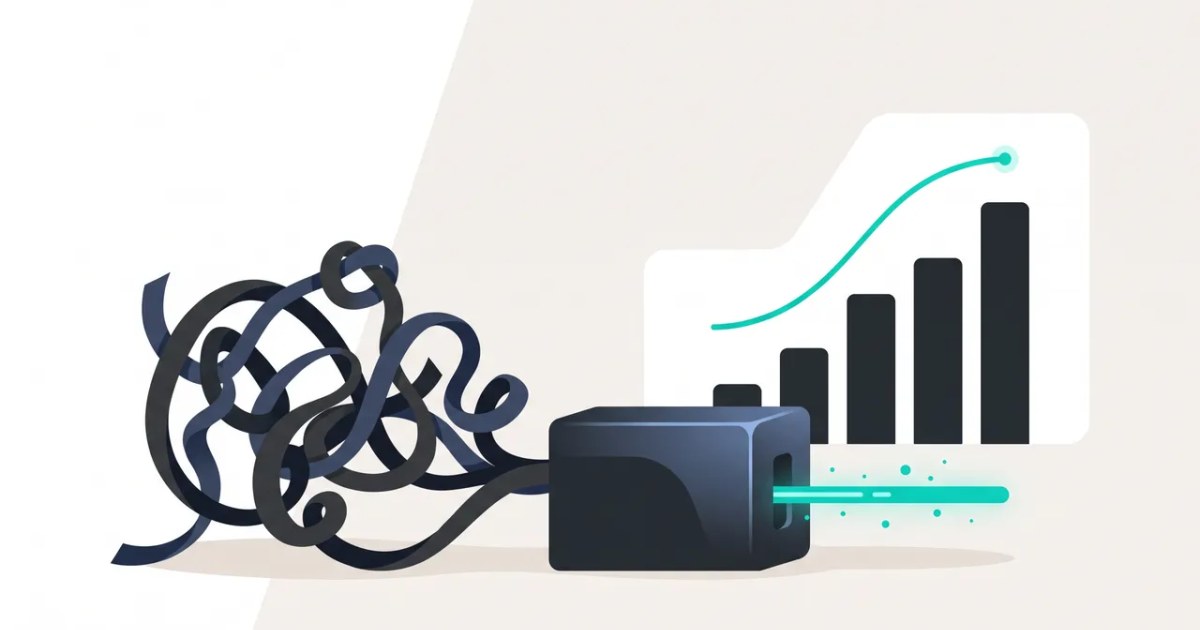
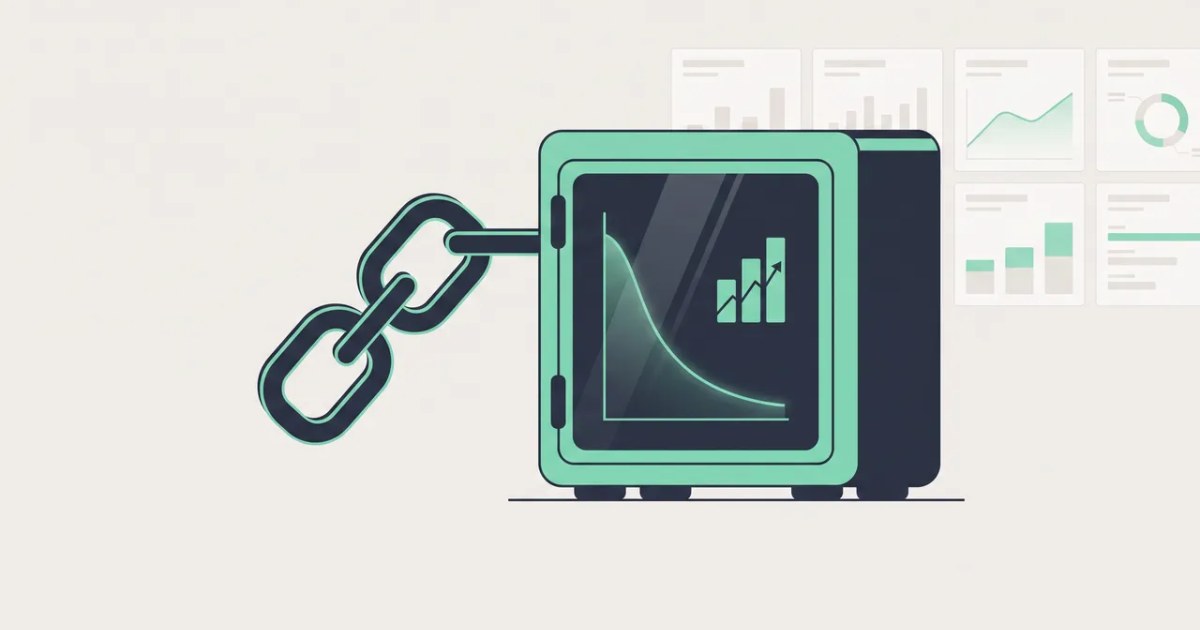
Despite their advancements, traditional link tracking tools have notable drawbacks that hinder modern marketing efficiency. Manual processes, such as creating spreadsheets for UTM tags or analyzing reports in isolation, consume valuable time and are prone to human error. Data silos prevent a holistic view, making it difficult to correlate insights across campaigns. Moreover, these methods lack real-time adaptability; marketers often react to data after the fact, missing opportunities for on-the-fly optimizations.
Privacy concerns further complicate things. With the shift to a cookieless future, traditional tracking pixels are becoming less reliable, forcing marketers to seek alternatives that respect user data while delivering accurate analytics. In an era where consumers demand transparency, outdated link management software risks non-compliance and lost trust. These challenges have paved the way for AI to step in, offering smarter, more automated solutions for link tracking and marketing analytics.
The Rise of AI in Marketing Analytics: Trends Shaping 2025
2025 is proving to be a pivotal year for AI in marketing, with generative AI and predictive analytics driving unprecedented growth. According to industry reports, 92% of businesses plan to invest in generative AI over the next three years, recognizing its potential to enhance personalization, content creation, and data analysis. In marketing analytics specifically, AI is automating tasks like trend prediction and customer segmentation, allowing teams to focus on strategy rather than grunt work
Key AI trends in marketing analytics for 2025 include omnichannel experiences powered by automation, first-party data utilization for privacy compliance, and the fusion of generative and predictive AI for deeper insights. Tools are now using AI to optimize content, brainstorm ideas, and personalize campaigns at scale.
For link tracking, AI is evolving beyond basic metrics to pattern recognition and behavioral forecasting, helping marketers anticipate user actions and refine funnels dynamically. This shift is making AI-powered link management essential for staying competitive in digital marketing.
How LNK7 is Redefining AI-Powered Link Tracking
At the forefront of this revolution is LNK7, an innovative AI-powered tracking link management software designed to overcome traditional limitations. LNK7 goes beyond simple URL shortening by leveraging AI to analyze campaigns in real-time, suggesting optimizations for maximum impact. Imagine an AI assistant that not only tracks clicks but also predicts drop-off points and recommends A/B testing variations to boost conversions.
What sets LNK7 apart is its seamless integration with existing tools like Google Analytics and CRM systems, breaking down data silos for a unified view. The platform's deep analytics dive into user behavior, providing insights on engagement, geography, and device preferences. Marketers can chat with the AI assistant to set goals—whether it's increasing organic traffic or improving ROI—and receive tailored strategies. In a cookieless world, LNK7 emphasizes privacy-compliant tracking, adapting to regulations while delivering accurate data.
For businesses exploring the best AI marketing tools in 2025, LNK7 stands out by combining automation with intelligence. It anticipates trends, such as voice-optimized links and personalized sharing, aligning with the future of link management software. Early adopters report significant gains in efficiency, with AI-driven recommendations reducing campaign setup time by up to 50%.
Future Predictions for Link Management in 2026 and Beyond
Looking ahead, the future of link tracking and AI-powered link management is bright and transformative. By 2026, we can expect AI to dominate with features like synthetic data for testing, autonomous campaign adjustments, and hyper-personalized links based on machine learning. Link building will evolve through AI tools that automate outreach, predict linkable assets, and ensure ethical backlink strategies.
Privacy will remain a focus, with AI enabling adaptive tracking that complies with emerging laws while enhancing user experiences. Innovations like AI-generated links for voice search and secure sharing protocols will redefine how we click and engage online. For marketing analytics, the blend of generative AI for content and predictive models for forecasting will make tools like LNK7 indispensable.
As AI continues to shape digital marketing, platforms that prioritize intelligence, adaptability, and user-centric design will lead the pack. LNK7 is poised to be at the helm, helping businesses navigate these changes for sustained organic traffic growth.
Conclusion: Embrace the AI Era with LNK7
The evolution of link tracking from basic shortening to AI-driven analytics illustrates the power of innovation in digital marketing. In 2025, adopting AI-powered link management software like LNK7 isn't just an option—it's a necessity for staying ahead. With its advanced features, LNK7 empowers marketers to unlock deeper insights, optimize campaigns, and drive real results.Ready to revolutionize your link tracking strategy? Sign up for a free trial at LNK7.io today and experience the future of marketing analytics. Don't miss out on the AI trends transforming the industry—start optimizing for organic traffic growth now!